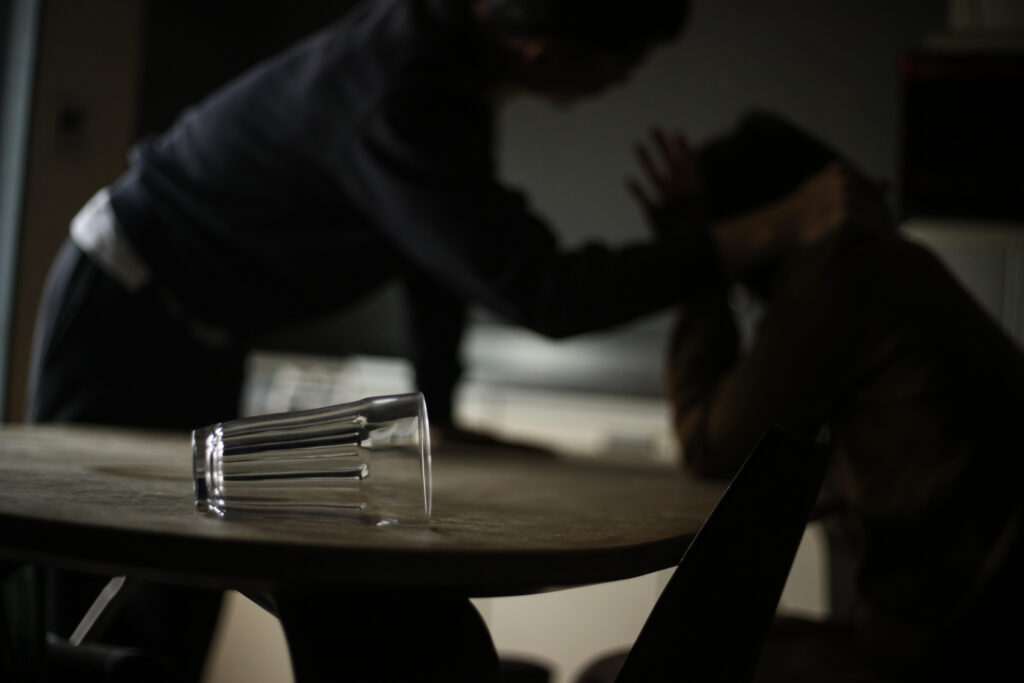
Being accused of domestic violence in California is serious. These charges can affect your freedom, your reputation, your family relationships, and your future employment. Many people charged with domestic violence feel confused and powerless, especially when they believe the accusations are exaggerated, false, or taken out of context.
At Lias Law Firm, our criminal defense attorneys understand how frightening this situation can be. Our attorneys can explain how domestic violence charges work in California, common reasons prosecutors dismiss cases, and the steps you can take to seek dismissal. If you are wondering how to get domestic violence charges dropped or asking can domestic violence charges be dropped at all, the answer often depends on the evidence, the circumstances, and the quality of your legal defense.
One of the most common misconceptions in domestic violence cases is that the alleged victim has the power to drop the charges. In California, this is not true.
Domestic violence charges are filed by the state, not the victim. Once law enforcement makes an arrest and submits a report, the prosecutor decides whether to move forward. Even if the alleged victim later wants to withdraw their statement or asks for the case to be dropped, the district attorney can continue prosecution with or without their cooperation.
This policy exists because prosecutors believe domestic violence cases involve complex dynamics, including fear, pressure, or financial dependence. As a result, many cases move forward even when the alleged victim changes their story.
That said, while victims cannot drop charges directly, their actions and statements can still influence whether a case moves forward.
While domestic violence charges are serious, they are not unbeatable. Prosecutors dismiss cases more often than people realize, especially when evidence problems or legal issues exist. Below are some of the most common reasons a California prosecutor may dismiss a domestic violence case.
The prosecution must prove the case beyond a reasonable doubt. If the evidence does not support the allegations, dismissal may be appropriate.
Common evidence issues include:
If the case relies solely on one person’s statement and that statement is inconsistent or unsupported, the defense may be able to successfully challenge the prosecution’s case.
While a victim cannot drop charges, recantation or refusal to cooperate can weaken the prosecution’s case. This is especially true when there is little independent evidence.
Examples include:
Prosecutors may still proceed, but weak cooperation often leads to reduced charges or dismissal.
California law allows individuals to defend themselves when they reasonably believe they are in imminent danger of harm. Many domestic violence cases involve mutual arguments that escalate, muddying the waters of who is the aggressor.
A defense may be raised if:
When evidence supports self-defense or mutual combat, prosecutors may determine they cannot meet their burden of proof.
Police and prosecutors must follow strict rules. If your constitutional rights were violated, evidence may be excluded or the case dismissed.
Common procedural issues include:
An experienced domestic violence defense attorney can identify these errors and challenge the admissibility of evidence.
In some cases, prosecutors may agree to dismiss charges after successful completion of a diversion program or negotiated agreement.
This may involve:
While not a true dismissal upfront, these outcomes can result in charges being dropped later, allowing you to move forward without a conviction.
If you are facing domestic violence charges, taking the right steps early can improve your chances of dismissal. Below is a general step-by-step approach many defendants follow with legal guidance.
Each case is different, and there is no single guaranteed way to get charges dropped for domestic violence. However, proactive legal defense makes a significant difference. An experienced domestic violence attorney can give you the best chance possible for a positive outcome and help you get your life back on track.
When domestic violence charges are dropped, the criminal case ends. However, the impact does not always disappear automatically.
Depending on the circumstances, you may still face:
In many cases, your attorney can help you pursue record sealing or expungement, terminate restraining orders, and take steps to protect your reputation.
It is also important to understand that dropped charges do not always mean the situation is fully resolved in family court, especially if children or custody issues are involved.
Domestic violence cases are taken seriously by prosecutors, and the consequences of a conviction can be severe, including jail time, fines, mandatory programs, firearm restrictions, and a permanent criminal record.
A Santa Clarita criminal defense attorney from Lias Law Firm can help by:
Lias Law Firm brings focused, strategic defense to domestic violence cases throughout Santa Clarita. Our firm also handles related matters involving restraining orders, sex crimes, and violent crime allegations. We will handle all of the details of your defense so you can focus on your personal life.
To speak directly with our team, contact us today at (661) 592-9001 to schedule your free, confidential consultation. The sooner you act, the more options you may have to protect your rights and your future.
Facing a criminal allegation? Trust the process and rely on us to guide you every step of the way.